

REGENERATIVE AGRICULTURE
“Regenerative Agriculture is a system of farming principles and practices that increase biodiversity, enriches soils, improves watershed, and enhances ecosystems services. It aims to capture carbon in the soil and above ground biomass (plants), reversing current global trends of atmospheric accumulation of CO2 causing climate change. At the same time, it offers increases yields, resilience to climate instability, and higher health and vitality for farming communities”.
- Terra Genesis International
The 6 Principles of Regenerative Agriculture
- Lease Disturbance: No/low till, no/reduced chemicals, less compaction.
- Living Roots: To maximize photosynthesis, continue pumping liquid carbon sugars into the ground to feed microbes.
- Soil Armor: To Keep the soil covered with living plants or crop residue or mulch. Bare soils are more vulnerable to wind/water erosion.
- Animal Integration: Animals big and small play a pivotal role in nutrients cycle and regenerating landscapes.
- Increase Biodiversity: Biodiversity of plants increase beneficial biodiversity below and above ground as well as increase the functionality and resilience of the ecosystem.
- Context: No two farms are alike. From brittle environments to more moist ones, from different cropping to livestock, from no funds to extensive funds, context is key. How you will go about regenerating land will vary and depend on many key components. A holistic framework in necessary to successfully transition too regenerative.
Tubbs End Farms started its journey in regenerative agriculture in 2019 and has commenced the transition to low disturbance and no till operations. The crop rotation is now longer and more diverse, to include cover crops, grazing of livestock and the use of more organic fertilisers (farmyard manures) to help improve soil health and nutrients. In just two years, soil health has improved significantly, including increased water infiltration and worm numbers.
CONSERVATION
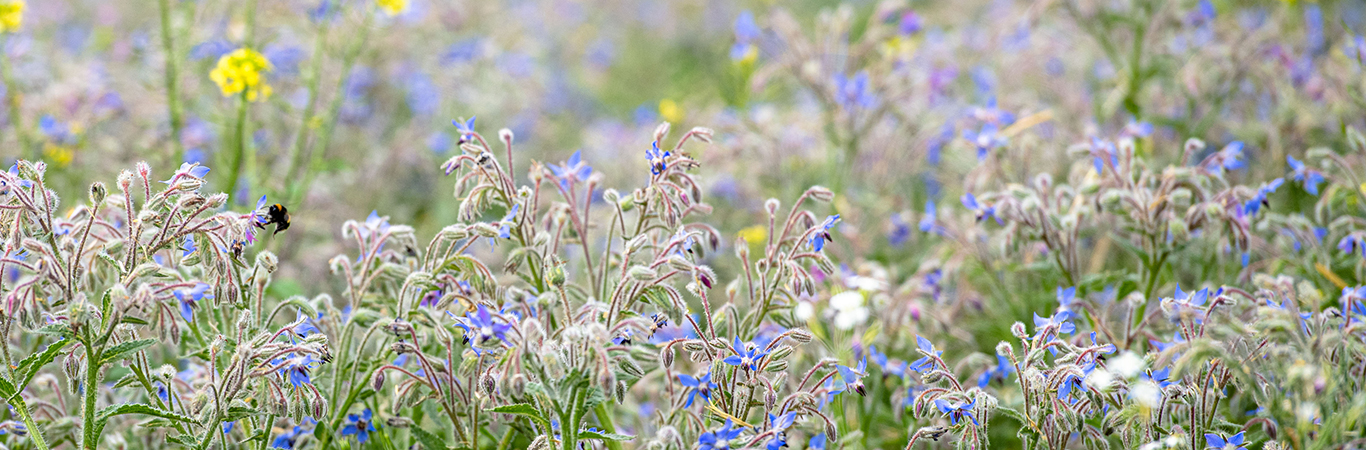
Tubbs End Farms take huge pride in managing conservation area for wildlife, from songbirds to insects.
We can advise on best mixes of covers to suit soil type and location, and to establish and manage the crop through to its end use. Conservation areas managed by Tubbs End Farms grows yearly, with 170ha of wild bird plots and 70 ha of pollen and nectar plots established and managed in the last year.
CONTRACTING
We constantly strive to achieve results for clients by using accurate, efficient operations.
Find out moreAG SERVICES
Our range of agcricultural equipment allows us to meet all our clients’ needs.
Find out more